
Designing for Display: How Coffee Table Books Win With Shelf Appeal

Coffee table books occupy a unique space in publishing. They are named not for how they are read or their content, but for where they live. Unlike most books, they are meant to be seen before they are opened, to exist as part of a room’s identity and to signal something about the person or brand that chose […]
How To Design Children’s Books for Durability

When it comes to children’s books, a great story and beautiful illustrations are only part of the experience. The book must also survive being dropped, dragged, bent, wiped clean, tossed in backpacks and read hundreds of times without pages loosening, corners fraying, covers scuffing or spine cracking. Durability is not one choice. It is the outcome of decisions that stack together: paper and board structure, coating flexibility, […]
Offset vs Digital vs Print-on-Demand for Children’s Books

Children’s books demand special attention and unique considerations for printers. Bright color, durable bindings, safe materials and consistent quality are crucial because young readers interact with books differently than adults. Publishers today have several production paths to choose from, and the right one depends on their goals, budget and audience size. Offset, digital and print-on-demand printing all play important roles in children’s publishing. None is […]
Creating Alumni Magazines That Resonate Across Generations

Greek organizations have a rare advantage: your story spans decades, yet your community is renewed every school year. For a fraternity, sorority or alumni association, an alumni magazine can keep key alumni, recent grads and current members moving in the same direction. The challenge is that each group reads differently, interacts differently and shares differently. […]
What to Look for in a Long-Term Educational Printing Partner

Educational publishing is not like general commercial print. Your products live hard lives in classrooms, libraries and backpacks. They need to look great, hold up to daily use and arrive on time for adoption cycles, enrollments and semester starts. At the same time, budgets are watched closely, versions change often and accessibility and privacy expectations […]
Printing Innovations That Elevate University Publications

Print still carries a unique weight on campus. A beautifully produced magazine can communicate credibility and build connection in a way screens rarely do. The good news is that recent innovations in print make it easier to create high-impact pieces while staying within budget. Keep reading for practical ideas your team can use to improve […]
How Print Builds Stronger Donor Connections for Universities

Philanthropy to higher education remains resilient, which means your print strategy can be a real growth lever for advancement. CASE’s most recent VSE Key Findings reported inflation‑adjusted growth in giving to U.S. colleges and universities, a signal that donors continue to see higher ed as a smart place to invest. In the broader landscape, charitable […]
Digital Finishing Innovations: From Lamination to Spiral Binding on Short Runs
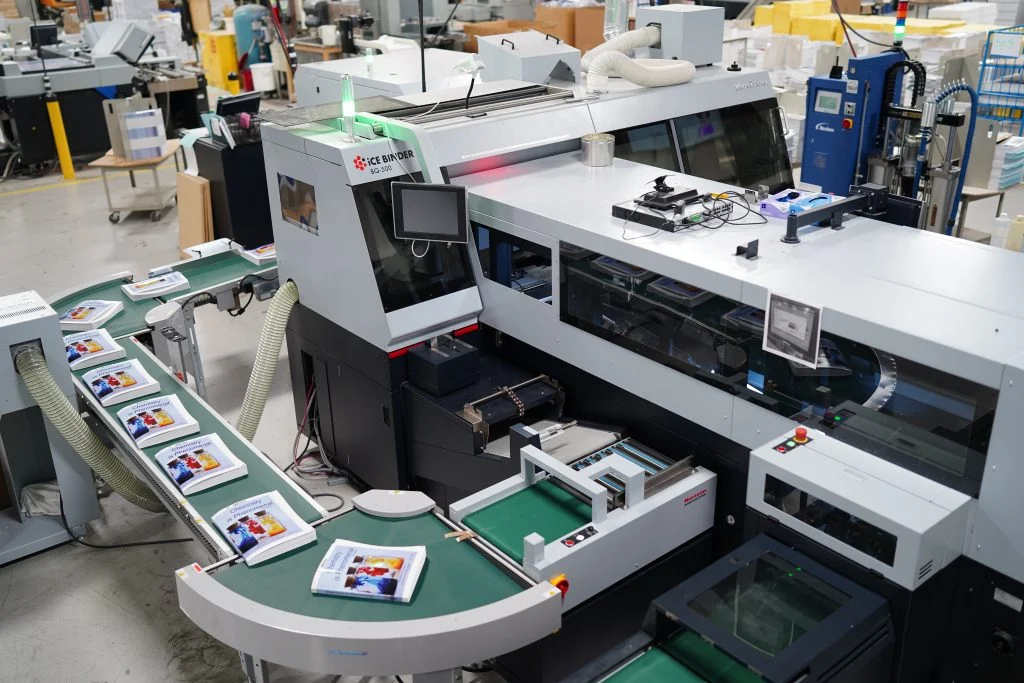
Digital inkjet printing has matured from an emerging technology into a production workhorse for books, magazines and catalogs. The big story is not only speed or variable data but also major breakthroughs in finishing. Coatings, laminations and bindery workflows that once lived only beside offset now fit neatly into digital schedules. That shift lets larger […]
Industry Insights: Frequently Asked Questions About Printing & Finishing
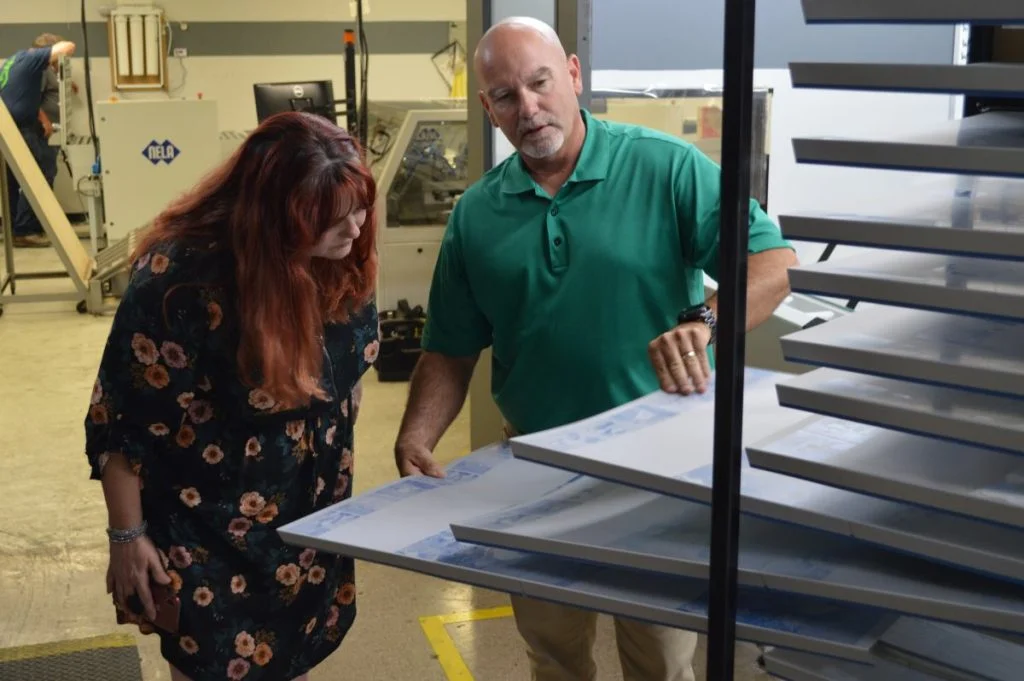
In the world of publishing and commercial printing, customers often have questions about how to choose the right materials and finishes for their books, magazines and catalogs. At Walsworth, we hear many of these questions regularly. Below, we’ve compiled some of the frequently asked questions (and clear answers) about paper stock, binding methods, finishing techniques, […]
Why Industry Catalogs Still Reign Supreme in the Digital Age
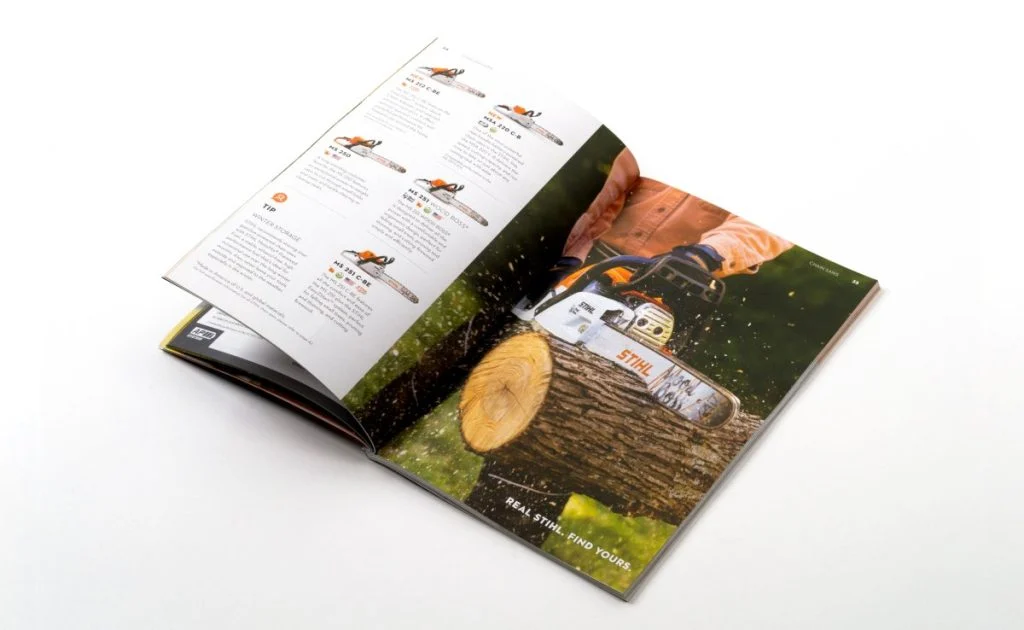
In an era when almost everything is online, from shopping carts to customer service, it might seem counterintuitive to talk about the enduring value of printed catalogs. But for companies in the hobby, building and manufacturing space, the print catalog remains a cornerstone of customer engagement and product sales. Far from becoming obsolete, printed catalogs…
