Digital trip planning may start with a search bar, but a printed visitor guide often shapes what travelers actually do once they arrive. It is the piece they keep in the car door, carry into a hotel lobby and flip through over coffee while deciding what comes next. For publishers, destination marketers and tourism businesses, that physical presence matters.
A guide does more than promote a destination. It gives travelers a clear path and gives local businesses a fair chance to be part of the visitor experience. That matters in an industry with real economic weight. According to the U.S. Travel Association’s 2024 economic data, travelers spent $1.3 trillion in the U.S., supporting more than 15 million jobs.
Why Printed Guides Still Matter
Printed guides still provide value because they solve a simple problem better than digital alone: they stay visible. While a browser tab disappears, a guide stays on the passenger seat, the welcome desk or the nightstand, ready for the next decision.
That staying power matters because print creates stronger recall. The USPS Office of Inspector General highlights research showing physical ads outperform digital in recall, recognition and emotional engagement across age groups.
In tourism, that translates into something practical. A printed guide does not compete with every notification on a phone. It offers a focused, tactile way to discover a district, a museum, a historic site or a well-known restaurant without distraction. For travelers, that feels useful. For advertisers and publishers, it makes print a live part of the planning process, not a leftover from another era.
How Guides Turn Curiosity Into Commerce
The best visitor guides do not stop at inspiration. They create movement. A strong spread can turn one headline attraction into a full afternoon of spending by connecting nearby restaurants, shops, tours and secondary stops. That is why guides are so valuable to local economies.
According to the Destination Analysts Visitor Guide Readership Study, about 70% of readers say visitor guide content is relevant and useful to trip planning, nearly 60% chose to visit an attraction or activity based on guide content and about 85% of undecided travelers said the guide influenced their decision to visit. Separate findings in the same study show that official DMO guides generated about $6.9 million in direct visitor spending and an estimated $48 return per guide distributed.
When a guide helps someone choose the heritage museum, the scenic boat tour or the classic downtown steakhouse, it is not just building awareness. It is driving tickets, table turns and cash register sales.
How Guides Help Smaller Businesses Compete
That extra influence matters even more for businesses that do not dominate search results. A well-known attraction may already have strong name recognition and a healthy media budget. A family-owned cafe, neighborhood bookstore, historic house tour or regional outfitter usually does not.
Visitor guides help level the field by placing those businesses beside the experiences that already attract attention. A traveler who came for the famous battlefield or lighthouse may extend the day because the guide also surfaced a nearby brewery, gift shop, farm market or walking tour.
Why Distribution Still Matters
Even the best guide only works if it shows up in the right places. Hotels, welcome centers, attraction counters, chambers, rest stops and high-traffic retail locations all catch visitors at moments when they are making real decisions about where to go next.
That is why visitor services remain so important. Destinations International describes the visitor center as a powerful tool for building brand awareness and fostering community engagement. Printed guides are a natural extension of that role. They give front-line staff something useful to give to a visitor, and they let the destination keep working after a quick conversation ends.
For local businesses and attractions, this matters because in-market travelers are often the easiest people to move. They are already there. They are already spending. The right guide in the right location can shift that spending from a single marquee stop to a broader mix of museums, shops, restaurants and cultural sites across the destination.
What the Best Guides Get Right
Not every visitor guide earns that kind of response. The strongest ones are curated, easy to navigate and built around what travelers actually need. Research cited by Explore Georgia shows that maps were the most helpful type of visitor guide content at 82%, followed by articles at 72%, while fewer than half of readers found stand-alone business listings helpful.
Georgia used that insight to shift more space toward storytelling and direct readers to updated online content with QR codes. That is a smart model for publishers and tourism brands. A guide should help readers picture the trip, not bury them in clutter.
Regional itineraries, neighborhood roundups, themed trails, historical snapshots and clear maps do more to support local businesses than pages of undifferentiated listings. Once the guide earns attention, QR codes, vanity URLs and trackable offers can connect readers to live calendars, booking pages and current listings. Print starts the journey. Digital closes the loop.
A Smart Print Strategy Extends Value
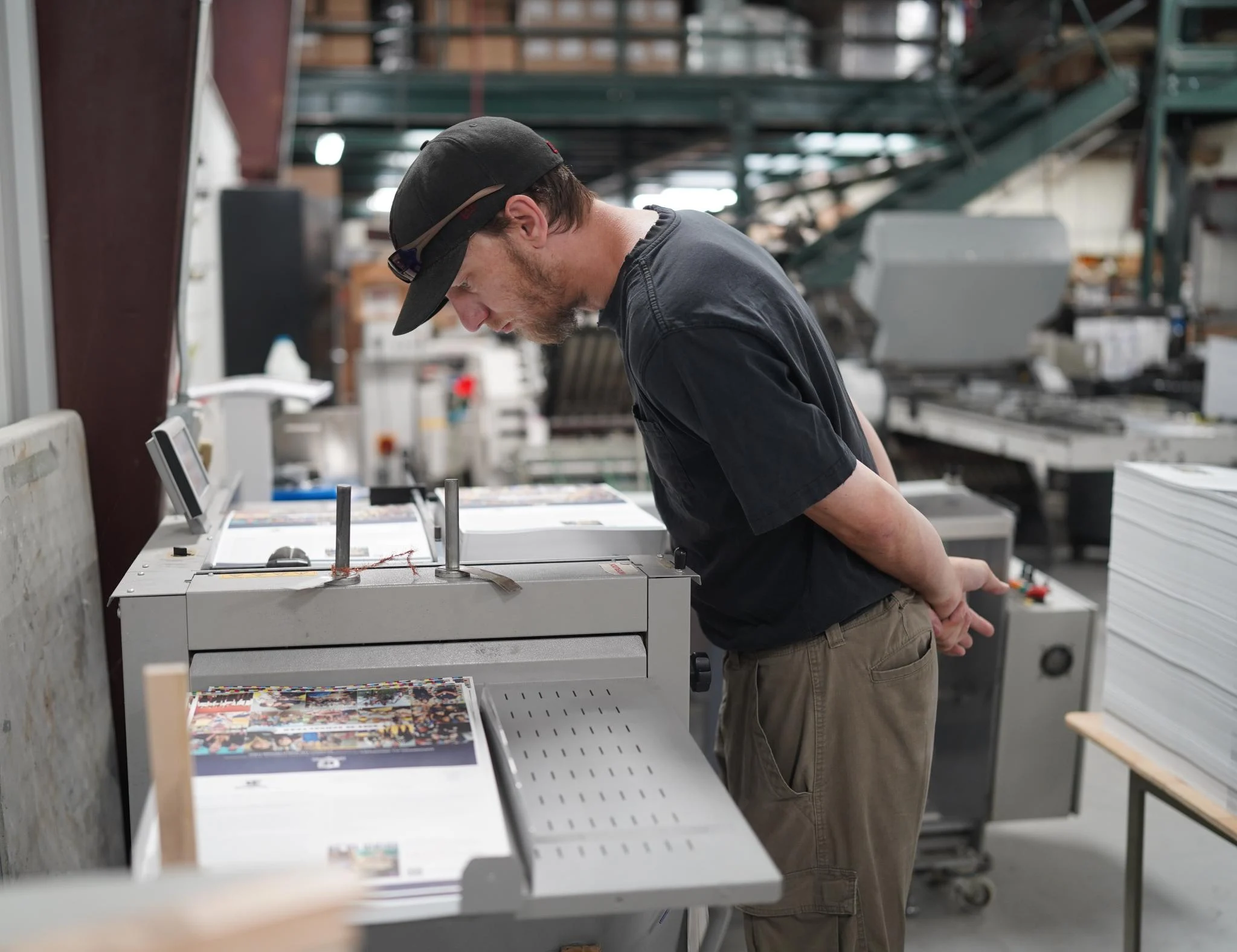
For publishers and print partners, that means the conversation should go beyond page count. Format, paper, layout and distribution all affect performance. A compact guide is easier to carry through a downtown district or tuck into a car pocket. Durable cover stock helps it survive the full trip. Clean typography and well-built maps make it more usable than a dense directory.
Ad placement matters too. A restaurant ad next to a walking tour feature or a hotel ad alongside a weekend itinerary feels relevant, not forced. This is where strong pre-press planning and thoughtful editorial structure make the publication more effective for both readers and advertisers.
A smart production plan also helps destinations stay current. Many tourism organizations benefit from a hybrid approach: offset printing for the main run, then digital or print-on-demand reprints for seasonal updates, special events and smaller replenishment cycles. That keeps the guide in the market longer while giving attractions, retailers and restaurants a way to stay timely.
Explore Walsworth’s Visitor Guide Printing Capabilities
Printed visitor guides still do something few marketing tools can match; they inspire discovery, support in-market spending and spread foot traffic to local businesses. For historical sites, signature restaurants, shops and regional attractions, that is real value. For publishers and tourism brands, it is a reminder that a well-made guide is not just a brochure. It is a practical sales tool for the entire destination.
Walsworth’s works with travel and tourism publishers to create gorgeous, high-quality visitor guides, travel magazines, coffee table books and more. To learn more about what Walsworth has to offer, get in touch with us today.
* This article was developed with assistance from OpenAI’s GPT 5.4 Pro Deep Research large language AI model.