For travel brands promoting luxury destinations, a coffee table book does more than showcase photography. It becomes a physical extension of the destination itself. The weight of the cover, the richness of the paper and the depth of the color all influence how readers perceive the quality of the place being promoted. When done well, a coffee table book signals prestige before a single word is read.
For DMOs and publishers, that makes these books especially effective for luxury tourism campaigns. They work as special gifts for media contacts or travel advisors, amenities for hotel suites, executive presentation pieces and even retail products that continue promoting the destination long after a trip has ended. Unlike a brochure that is often discarded after being read once, a coffee table book is designed to be displayed – that visibility gives it a much longer shelf life and a stronger return on your creative investment.
Telling a Deeper Destination Story
Coffee table books allow marketers to tell a fuller story. Luxury travel is rarely sold on price or convenience alone; it is sold through emotion, identity and atmosphere. A high-end book gives you the space to build that narrative through long-form editorial, immersive spreads and carefully paced sequencing. One section might feature architecture and design, another local cuisine, another private excursions or hidden cultural experiences. The format invites readers to slow down, engage and imagine themselves there.
This is especially valuable when promoting destinations that need more context to justify their premium positioning. A short digital ad can show a beach or resort, but a coffee table book can communicate what makes that destination truly distinctive. It can highlight regional traditions, elevated hospitality, conservation efforts and insider experiences that appeal to affluent travelers.
Choosing the Right Paper for Visual Impact
Paper choice is one of the most important decisions in coffee table book printing. For most luxury projects, heavier text stocks help convey substance and reduce show-through on image-heavy pages. Silk, satin and matte coated papers are popular because they offer a refined look while maintaining excellent image reproduction. Gloss-coated stock can produce vibrant photography, while uncoated papers can create a more editorial feel. Be sure to ask your print partner to provide samples of past projects with varying paper types to get an idea of what will fit your book’s look and feel.
Enhancing the Experience With Coatings and Finishes
Coatings and finishes play a major role in how a coffee table book feels in hand. Choosing the right finish depends on how the book will be used and how much durability is required. A soft-touch laminate on the cover can instantly elevate the tactile experience, while spot UV can add contrast to titles or key design elements. Aqueous and UV coatings can also protect printed surfaces, which is especially important for books that will be handled frequently, such as in hotels, offices or waiting areas.
Getting Color Replication Right
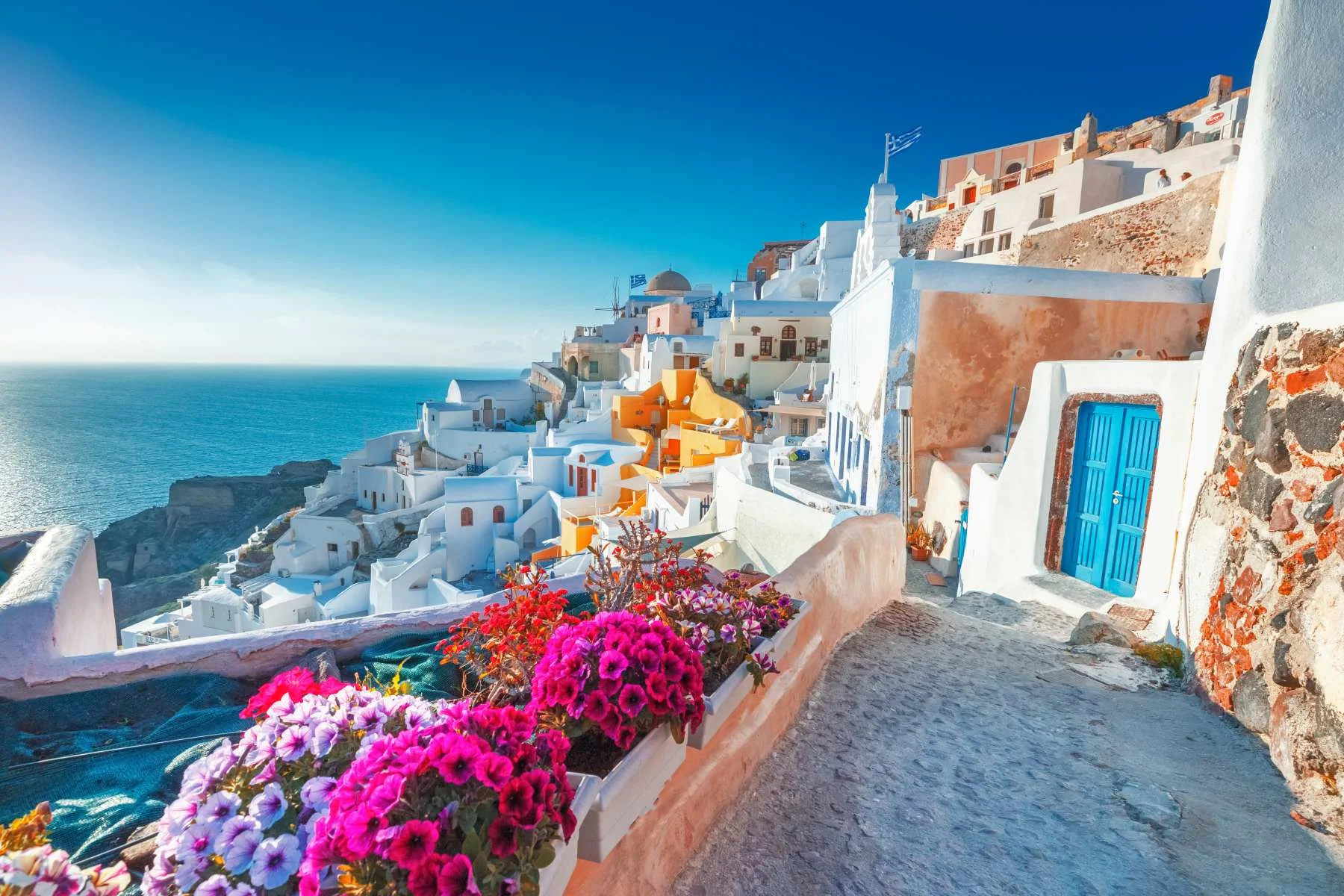
Color accuracy is critical in travel printing. Ocean blues, sunset tones and lush landscapes all need to reproduce faithfully to maintain the integrity of the destination.
Files should be prepared properly in CMYK with high-resolution imagery. Working with an experienced pre-press team helps ensure that color conversion, image correction and proofing are handled correctly. Many printers offer contract proofs or press checks for image-critical projects, which is highly recommended for luxury publications.
Selecting the Best Binding for Longevity
Binding choice affects both durability and perceived quality. Case binding is often the top choice for premium coffee table books because it provides a sturdy hardcover format with long-term appeal. Smyth-sewn case binding is especially valuable for durability and flexibility. It allows pages to open more naturally, which is ideal for panoramic spreads.
Perfect binding may work for lighter projects or smaller budgets, but it does not deliver the same sense of quality and prestige. If you want your coffee table book to be enjoyed for years while standing up to repeated use, case binding provides a more durable cover that will continue to impress.
Format and Print Method Considerations
Size and format should align with your visual strategy and distribution plan. Oversized books are eye-catching and create impact, but can increase production and shipping costs. A more moderate trim size may be easier to distribute to media and travel partners, but may not deliver as much of a “wow” factor.
Choice of print method is another key factor. Offset printing is often the preferred choice for high-end coffee table books because it delivers superior color consistency and image detail at scale. Digital printing can be useful for lowering costs on short runs or reprints, but it can be difficult to reach the same level of clarity and vibrance when compared to offset. A skilled print partner can help you determine which printing method is best for your unique project.
A Lasting Marketing Asset for Luxury Destinations
High-end coffee table books succeed because they offer something digital channels cannot fully replicate: presence. They invite readers to see, feel and keep the brand. When luxury travel marketing is built on aspiration, the quality of the printed piece becomes part of the experience itself.
Thoughtfully produced coffee table books do not just promote a destination; they help define it. For travel publishers and DMOs, that makes them more than a print piece. They are a storytelling platform, a premium brand signal and a long-term marketing asset that continues working well beyond its initial distribution.
Create Your Next Masterpiece With Walsworth
Walsworth has the capabilities and expertise required to turn your next coffee table book project into a showstopper that’s sure to impress readers with its quality and aesthetics. If you’re trying to leave a lasting impression on travelers, don’t wait – get in touch with Walsworth today to learn more.
* This article was developed with assistance from OpenAI’s GPT 5.4 Pro Deep Research large language AI model.