Digital inkjet has earned its momentum. In the State of the Production Inkjet Market 2026 report from Printing Impressions, the author points to production inkjet’s ability to reduce workflow friction as a major reason the technology is expected to keep growing over the next decade. The guide also notes that inkjet is gaining ground as print runs get shorter, costs rise and buyers look for more flexibility in timing, quantities, versioning and personalization.
Those trends are real. At Walsworth, we see the same market pressures shaping conversations with publishers, marketers and commercial print buyers. Customers want more efficiency. They want reliable quality. They want options that help them manage budgets, deadlines and changing demand. Digital inkjet is an important part of that conversation, especially when a project benefits from flexible run lengths, faster changeovers or more targeted content.
But that doesn’t mean offset printing is fading into irrelevance. Offset printing remains a viable and powerful option in 2026, especially when the work calls for scale, consistency and proven production strength.
The smartest question is not whether offset or digital inkjet will “win.” The better question is which platform best supports the job.
The Market Is Changing, Not Replacing Itself
The Printing Impressions report makes clear that print is operating in a more complex environment than ever. It cites electronic substitution, excess offset capacity, rising paper costs and rising postage costs as major pressures affecting the industry. It also notes that print is shifting from a commodity product toward a higher-value product, with lower volumes in some instances but greater expectations.
That shift makes a difference. When print buyers produce fewer pieces, each piece must work harder. It needs to feel intentional. It needs to support a specific business goal. It needs to reach the right person at the right time, with the right message and the right production values. Digital inkjet is well suited to many of these needs. It can support efficient short runs, versioning and last-minute adjustments.
Still, offset continues to play a critical role. Many projects are not short-run, highly variable or in need of constant content changes. Many still benefit from the efficiency, predictability and quality offset provides at medium and longer run lengths.
Why Offset Still Earns its Keep in 2026
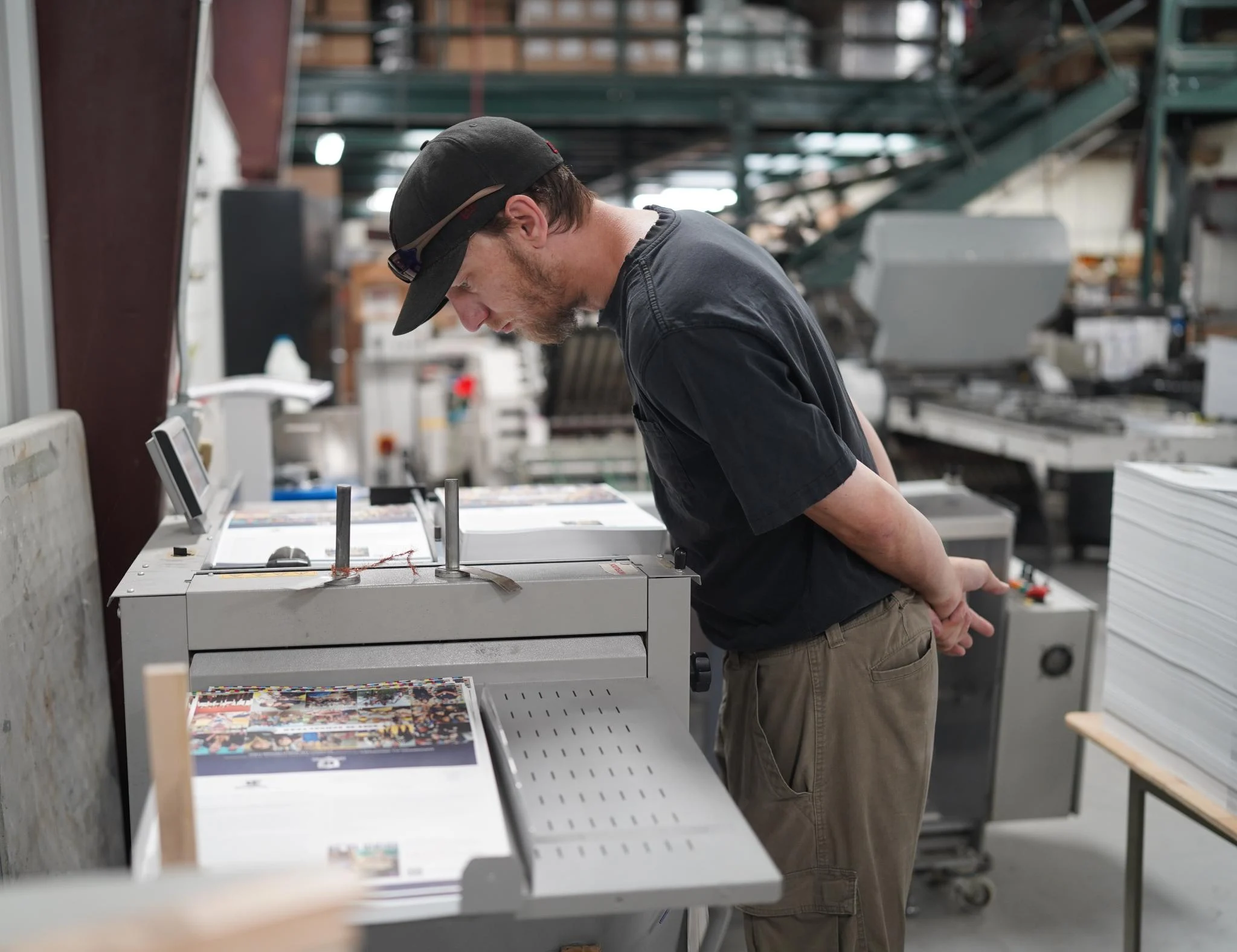
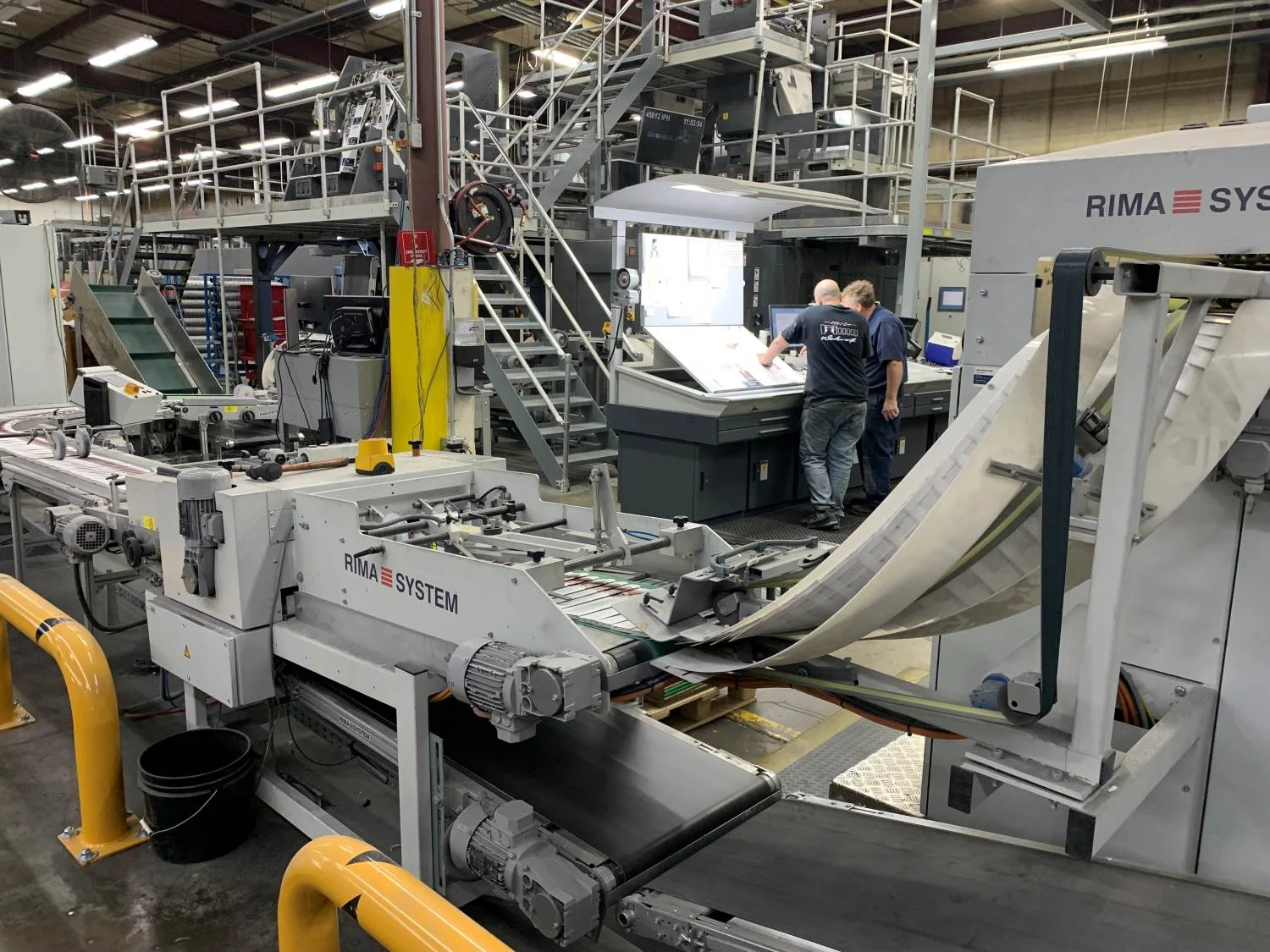
Offset printing remains one of the most dependable choices for high-volume commercial and publication work. When a project has the right run length, offset can deliver strong unit economics, excellent image reproduction and consistent color across large quantities.
For publishers, associations, catalog producers and brands with established print programs, those advantages still matter. A magazine, catalog or book does not automatically become a better fit for digital production just because digital technology is advancing. The production method should be matched to the job’s goals, specifications, schedule and budget.
Offset also remains a strong option when customers need a broad range of paper choices, specialty formats, coatings or finishing approaches. While digital inkjet continues to expand its substrate range, offset has a long history of supporting demanding production requirements across commercial and publication printing.
In complex print programs, success is not defined by the press alone. It depends on planning, prepress, paper knowledge, color management, scheduling, binding, mailing and distribution. Offset is still deeply valuable when those pieces need to work together at scale.
Digital Inkjet Is Growing for Good Reasons
Acknowledging offset’s strength does not require minimizing inkjet’s progress. According to Printing Impressions’ report, continuous-feed inkjet pages are projected to represent about one-third of total worldwide commercial output volume by 2031, while also stating that production inkjet is not yet within reach as a full replacement for offset.
Inkjet is growing because it solves real problems. It can reduce make-ready demands on shorter jobs. It can help print providers respond to lower quantities and tighter schedules. It can support higher-value applications through relevant content, needed quantities and timely delivery.
For Walsworth, this is why having both offset and digital capabilities matters. Customers should not have to force every project into one production model. A flexible print partner can help evaluate the best path based on volume, quality expectations, personalization needs, paper, finishing, timing and total cost.
Digital and Offset Are Teammates, Not Competitors
Offset remains a strong choice for many medium and long-run projects, especially when consistency, scale and production efficiency are priorities. Digital inkjet is increasingly attractive for shorter runs, more targeted content and projects that benefit from faster setup or greater flexibility.
That is where offset continues to prove its value. It is not a legacy option. It is a high-performing production method that still delivers where it fits best. And when paired with the expanding possibilities of digital inkjet, it gives print buyers a stronger, more flexible way to bring meaningful print to market. At Walsworth, we look at offset printing and digital printing as valuable options that offer distinct strengths and weaknesses, not as the old vs. the new.
The Strongest Print Strategy Is a Proven Partner
In 2026, print buyers have more options than ever. But more options also make it more important to work with a printer that understands the strengths and tradeoffs of each platform. The best solution may be offset. It may be digital inkjet. In some programs, it may be both. What matters most is not chasing the newest technology for its own sake. It is building a print strategy that supports the audience, the message and the business goal.
As a full-service commercial and publication printer with robust offset and digital printing capabilities, we believe the future of print is not about choosing one technology and abandoning the other. It is about using the right technology for the right work. If you’d like to learn more about what a true print partner has to offer, get in touch with us today.
For more detail on Printing Impressions’ industry outlook, you can download the report from their website.