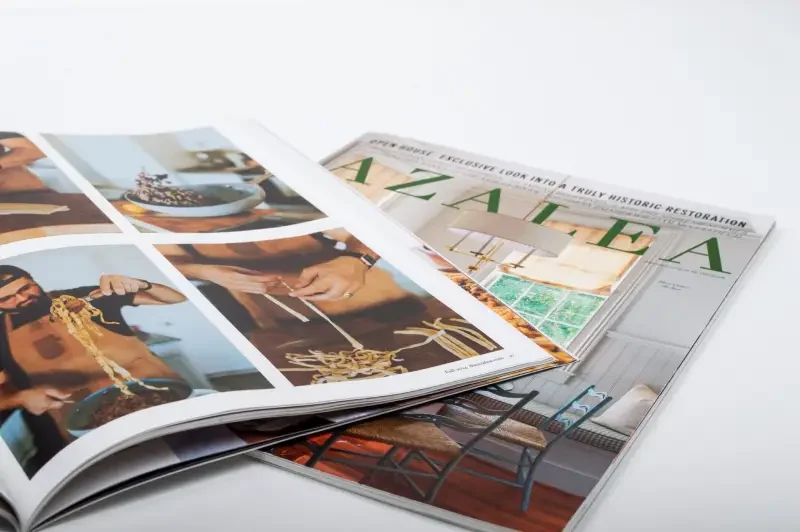
Travel magazines sell a feeling before they sell a destination. A reader may not be able to hear the surf in Maui or smell the clean air of the Rocky Mountains, but they can see the clear blue water or the golden sunset. That visual first impression is often what makes someone stop on a page, finish a feature or decide that a place belongs on their travel list. In print, color is not decorative. It is central to the story.
That is why precise and vivid color replication matters so much when printing travel magazines. If the ocean shifts from vibrant to dull, or a sunset loses its warmth and turns muddy, the experience feels flatter and less trustworthy. Readers may not describe the problem in technical terms, but they will notice when images feel lifeless or unrealistic, making the magazine seem less premium overall.
Why Color Drives Travel Storytelling
Travel publishing depends on aspiration. Every spread needs to transport the reader to your destination, and strong color helps create that sense of place. Think of the deep greens of a national forest, the historic architecture of New Orleans’ French Quarter or the layered reds and oranges of a desert landscape at dusk. Those color cues help readers instantly understand climate, mood and geography.
Accurate color also supports editorial credibility. Travel readers expect that what they see in a magazine resembles what they might experience in real life. If food photography looks gray or beaches look washed out, the magazine can feel less premium and less believable. In a category built on visual trust, color quality supports both emotional impact and editorial authority.
Consistency matters too. A travel magazine usually includes content from multiple photographers, stock libraries and creative teams. Without strong color control, one feature can feel bright and natural while the next looks dark or oversaturated. A consistent print result helps the whole issue feel polished and intentional.
RGB vs. CMYK: What Changes in Print
One of the biggest reasons color shifts happen is the difference between RGB and CMYK. RGB stands for red, green and blue, which is the color model used for screens. Phones, tablets and monitors create color with light, so RGB files can display very bright and saturated hues. This is why a freshwater lake or neon city skyline can look especially vivid on screen.
CMYK stands for cyan, magenta, yellow and black, which is the color model used for most commercial printing. Instead of emitting light, presses reproduce color with ink on paper. That means the printable color range is smaller than what a screen can show. Some highly saturated RGB colors, especially vivid blues, greens and oranges, simply cannot be reproduced exactly in CMYK.
For travel magazines, this difference is critical. Images that look brilliant on a backlit monitor may lose punch when converted for print, unless special care is taken. The solution is not to avoid strong color. It is to prepare for print properly. Files should be converted with the right color profiles, reviewed in a color-managed workflow and proofed before the job goes on press. When that happens, the printed magazine can still look rich, vibrant and natural, even if the color behaves differently than it does on screen.
How G7 Certification Supports Better Color
G7 is a calibration and process control methodology that helps printers match visual appearance more consistently across devices and print conditions. It focuses heavily on achieving neutral grays and balanced tonality, which are the foundation of accurate overall color reproduction.
That matters in travel magazines because neutral balance affects everything around it. If grays are off, skin tones can drift, shadows can color cast and landscapes can lose realism. A G7-certified printer works to maintain a stable, repeatable print condition, which improves consistency from proof to press and from issue to issue.
For publishers and designers, working with a G7-certified print partner adds confidence. It does not guarantee that every image will automatically look perfect, but it does mean the pressroom is operating to a recognized standard for visual consistency. In a workflow where many variables can affect the final page, that level of control is a major advantage.
How Paper Affects Color
Paper has a huge impact on how color appears in print, to the point that many CMYK printers refer to paper as the “fifth color.” The same image can look noticeably different depending on whether it is printed on gloss, silk, matte or uncoated stock. This is because paper affects ink holdout, light reflection, contrast and perceived saturation.
Gloss and coated papers usually deliver the most vivid color because ink sits closer to the surface. Images tend to appear sharper, blacks look deeper and saturated colors pop more strongly. That makes coated stocks a popular choice for travel magazines that rely on lush destination photography.
Matte and silk papers can still reproduce beautiful color, but the finish softens the look slightly. Many publishers like these stocks because they reduce glare and feel more refined, while still preserving good image detail.
Uncoated papers absorb more ink, which can make colors appear more muted and reduce contrast. That does not make them wrong for travel publishing, but it does mean the file preparation and expectations should be adjusted accordingly. If the goal is vivid scenic photography, paper selection should be part of the color conversation from the start, not a last-minute decision.
Ways to Achieve Precise and Vivid Color Replication
The best travel magazines do not leave color up to chance; they build color quality into the workflow from the beginning.
Start with strong image capture and editing. Well-exposed, professionally edited photography gives the press more to work with. If highlights are blown out or shadows are muddy in the original file, print will only exaggerate those issues.
Use calibrated monitors. Designers and pre-press teams need screens that are regularly calibrated so they are making decisions based on a reliable visual reference. Without calibration, color correction becomes guesswork.
Work in a color-managed workflow. ICC profiles, proper file conversions and soft proofing all help predict how RGB images will translate into CMYK. This is especially important for travel photography with highly saturated hues.
Practice careful proofing. A proof gives the team a chance to catch color issues before the full run begins. It is much cheaper to adjust files before press than to fix a disappointing print result after thousands of copies are produced.
Match the paper to the editorial intent. Whether your magazine’s identity depends on lush, luminous photography or thoughtful, original content, the paper choice should support that objective.
Choose the right printer and involve them early. A skilled magazine printer can recommend profiles, paper choices and press strategies that support the visual goals of the issue. When editorial, design and production teams collaborate early, color surprises are far less likely.
Level Up Your Color Replication With Walsworth
In travel magazines, color is the bridge between the printed page and the destination itself. When it is handled with care, readers feel immersed, photography looks premium and the brand earns trust. Precise, vivid color replication is not just a technical goal; it is a storytelling advantage.
With nearly 90 years’ experience, Walsworth offers the quality and expertise that travel and tourism publishers need to effectively communicate the history and beauty of their destination. If you’d like to learn more about what our G7-certified experts have to offer, get in touch with us today.
* This article was developed with assistance from OpenAI’s GPT 5.4 Pro Deep Research large language AI model.