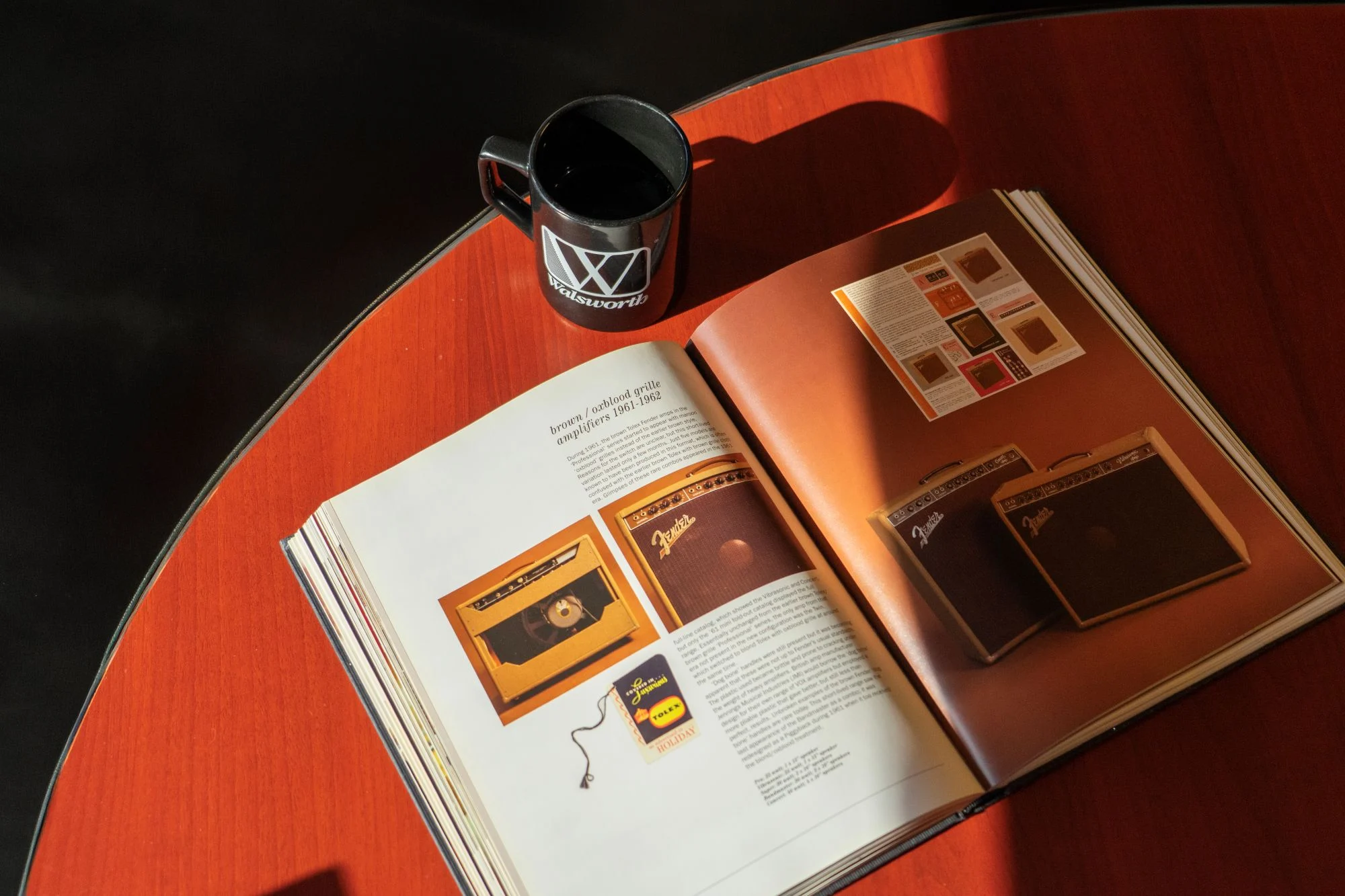
A luxury coffee table book does not happen by accident. It is the result of hundreds of design and production decisions that work together to create a premium experience from the first glance to the final page turn and through years of re-reading. For print buyers, publishers and brand marketers, that can feel like a balancing act. You want the book to look and feel exceptional, but you also need to control costs and make smart trade-offs.
The good news is that “luxury” is not always about choosing the most expensive option in every category. More often, it comes from choosing the right combination of paper, binding, finishing and format for the content and audience. Coffee table books succeed when they feel intentional. The materials should fit the subject matter, the imagery should pop and the tactile details should reinforce the brand or story behind the book.
Start With the End Use
Before you spec paper or decide on a cover treatment, define what the book needs to do. Is it meant to live in a retail setting, act as a premium brand piece, support a travel destination or hospitality experience, or serve as a limited-run collector edition? A book that will sit in a hotel suite or flagship store may need a different balance of durability, visual impact and budget than a book designed for direct sale to collectors. That is why the first question shouldn’t be “What is the most luxurious option?” but rather “What kind of luxury experience are we trying to create?”
Choose Paper That Supports the Images
Paper is often the single biggest contributor to perceived quality. If the book is highly visual, the stock needs to support that. Our internal coffee table book guidance notes that heavier stocks help create substance and reduce show-through, while coated papers generally result in sharper image reproduction because the ink stays closer to the surface.
Matte, silk and satin coated stocks often hit the sweet spot for premium books because they provide strong image quality without the high glare of full gloss. Gloss may be the right choice for some highly saturated photography, but it can feel more commercial than refined depending on the brand. Uncoated papers can create an editorial or artisanal feel, though they usually soften image sharpness and color intensity.
Make Image Quality a Nonnegotiable
Luxury books are unforgiving when it comes to image quality. Soft images, muddy shadows or inconsistent color can undo a lot of otherwise strong design work. As a baseline, Adobe’s print guidance says 300 pixels per inch is considered the standard for high-quality prints viewed up close. That matters for coffee table books, because they are handled at close range and readers expect to linger over details.
The budget-minded takeaway is simple: spend time getting the files right before production. Better file prep and proof review can help avoid expensive corrections, reruns or disappointment later. If the book depends on photography, art reproduction or highly branded color, the most cost-effective “upgrade” may be process control rather than a more expensive finish.
Use Binding to Create Presence
When considering your specs, the choice of binding plays an important role in aesthetics, functionality and durability.
Casebinding for Enhanced Durability
Casebinding is a clear signal that a coffee table book is meant to last. It gives the book weight, durability and the visual authority buyers expect from a premium format. For image-heavy titles, lay-flat or other wide-opening constructions can make a major difference because they allow spreads to flow more naturally across the gutter. That specific feature appears repeatedly in your campaign strategy because it instantly communicates quality in a visual category.
Smyth Sewn Binding for Superior Craftsmanship
Smyth sewn binding is another premium option worth considering, especially for books that need both durability and a refined reading experience. Because the signatures are sewn together before being attached to the cover, this method creates a strong, long-lasting book block that opens more smoothly than many glued alternatives. For publishers and brands producing high-end books intended to be kept, displayed and revisited, Smyth sewn binding can reinforce the sense of craftsmanship and permanence that defines a luxury piece.
Perfect Binding for Strict Budgets
Perfect binding can be a smart, budget-friendly option for coffee table books that still need a polished appearance but do not require the same level of longevity. It offers a clean spine and professional presentation at a lower cost, which can make it a practical fit for shorter-run promotional books, brand lookbooks or other visually driven projects with lighter use. While it does not provide the same durability or premium feel as casebinding or Smyth sewn construction, it can still deliver a strong visual result when budget is a key consideration.
Be Selective With Finishing
Specialty finishing is where many luxury books earn their first impression. Foil stamping, embossing, debossing, matte lamination, soft-touch coatings and spot treatments all create a more tactile and visually distinctive cover. Foil stamping, embossing and other decorative effects can add perceived value, enhance quality and help a piece stand apart on the shelf.
However, that does not mean you should use every technique at once. In fact, books often feel more exclusive when finishing is restrained. One strong foil stamp on a cloth or matte case can feel more premium than multiple competing effects.
If you need to control costs, prioritize the touchpoints readers notice first. The front cover, spine and outer package typically matter more than applying specialty treatments deep inside the book. A single high-impact cover treatment can do a lot of work if the rest of the package is thoughtfully designed.
Think Beyond the Book Block
Luxury coffee table books often succeed because they feel like showpieces, not just publications. Slipcases, ribbon markers, textured endpapers and carefully considered dust jackets all contribute to that effect. Collector cues like tissue wrap, certificates of authenticity, slipcases and VIP-style presentation all reinforce exclusivity and transform the book into an experience.
Of course, packaging can increase costs quickly. The best approach is to decide whether the project needs a luxury reading experience, a luxury display experience or both. A retail title may need a highly durable and visually striking case more than an elaborate unboxing moment, while a collector edition may justify the opposite. If budget is limited, focus on one or two experiential details that are consistent with your brand rather than trying to simulate every premium feature at once.
Build Sustainability Into the Specs
For many publishers and brands, premium no longer means choosing materials without regard for sourcing. Sustainability concerns are now part of the buying conversation. The Forest Stewardship Council encourages responsible forestry practices through their certification program, making it easier for publishers and printers to choose sustainably sourced paper. With eco-friendly practices becoming a more important selling feature for many print buyers, responsible sourcing can now support brand value rather than compete with it.
Use This Checklist to Elevate Your Book
If you want a coffee table book to feel luxurious where it counts, focus on the essentials:
- Choose paper for image performance first, then fine-tune finish and weight.
- Protect image quality with strong file prep and proofing.
- Use a binding structure that fits the page design and desired shelf presence.
- Invest in one or two visible finishing details instead of many competing effects.
- Treat packaging as part of the experience, not an afterthought.
- Look for opportunities to make sustainable choices while still creating a premium look and feel.
Achieve Printing Excellence with Walsworth
The best luxury books are not necessarily the ones with the longest spec sheet. They are the ones where every choice feels deliberate, cohesive and true to its audience. True luxury isn’t just experienced; it’s remembered.
At Walsworth, we bring nearly 100 years’ expertise to high-end book projects. As a full-service book printer, we have the knowledge, equipment and dedication to craftsmanship luxury coffee table books demand. If you’d like to learn more about what Walsworth has to offer, just get in touch with us today.
* This article was developed with assistance from OpenAI’s GPT 5.5 large language AI model.